
Last Updated on March 20, 2026 by Marilyn
Yeshua is the original Hebrew name for Jesus. In Hebrew, it means salvation or “to save”. The real man, Yeshua ben Yosef, was also known as Jesus Christ and Jesus of Nazareth. As documented by historical research and the Bible, his prophetic mission was to live as a healer and a spiritual teacher.
Recently, Geri S., a dear friend of mine, asked me if I might be interested in a story about Jesus that her younger sister wrote several years ago. When Geri approached me about her sister’s story, I had planned to write about a completely different category for my next blog post.
I knew immediately, however, that it was a divinely led message to me because of the timing of what is happening in the world right now.
I have always thought of writing as a spiritual experience. Emerson is one of my favorite authors. One of my favorite quotes by him is: “All writing comes by the grace of God, and all doing and having.”
Guest Author J.D. Richmond

Below is the insightful and thought-provoking story that J.D. wrote in 1995. The title is Yeshua-The Real One.
“History records whatever is different, most beautiful, grotesque, most extreme.
No where is it recorded that Jesus was fair and effete, with skin smooth as cream.
He was Semitic-Hebrew-Jewish before the pale northern tribes filtered down.
He looked like most of his countrymen, at home in his native town.
Medium height, black, curly hair and beard, olive skin and twinkly dark eyes.
He worked outside as everyone did; walked miles over Galilean hills under sunny Galilean skies.
He cut and carried his own wood, then worked it into useful beauty with his rough, capable hands.
I see him as muscular and tanned; arms strong from carrying the wood; hands scarred from years of earning his livelihood.
He was hearty and robust. He loved to eat, drink and laugh, white smile flashing with pleasure.
He loved his father, brothers, and sisters, but had a spiritual tie with his mother that we can’t measure.
He was the oldest son; the hope of his family, the mainstay when Joseph died.
It was traditional in that culture to marry young; he probably did and loved a young wife who died.
Life was precarious and often short. Childbirth could cause life to cease.
Perhaps he lost a wife and a child, then turned to Spirit for peace.
The God of his understanding led him to different work.
‘Teach the people to love each other’. ‘The Kingdom’ is in each heart.
True Divinity requires no sacrifice or ritual; just acknowledgment of that mystical part of each of us which is a Divine Connection.
So history recorded what was different-his message-simple truths, not easy to follow.
Love your god, love yourself, love your neighbor; forgive, forgive, forgive. When each of us truly knows how to love, We will truly know how to live.” ©️1995 J.D. Richmond. All Rights Reserved.
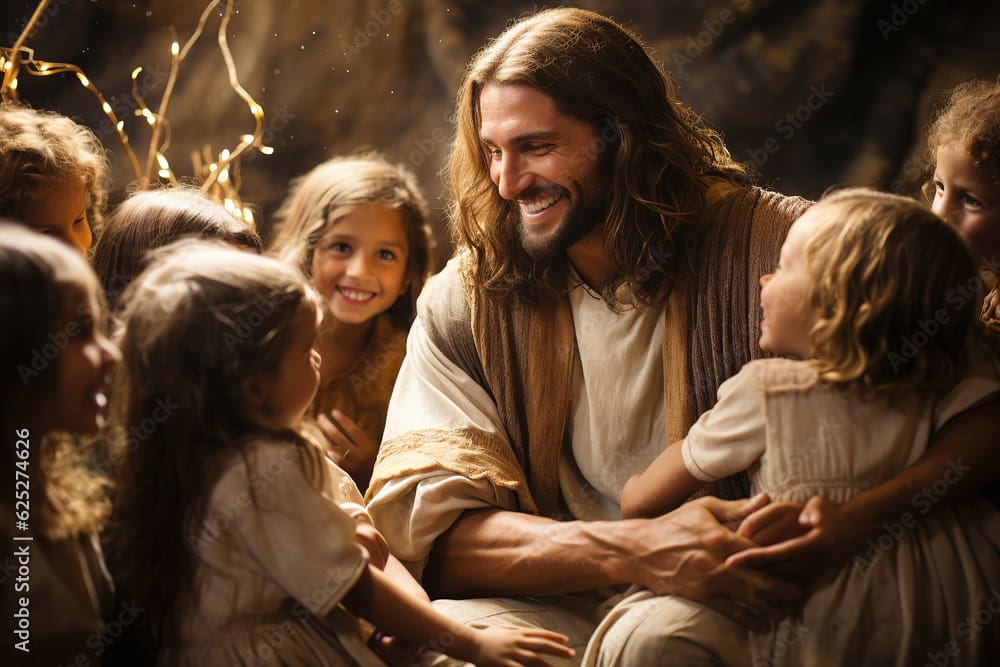
Yeshua The Galilean
Jesus grew up in Galilee and lived under Roman occupation. Nazareth was a world of poverty, not a community of elites or scholars. It was a small farming village. Taxes were steep. Rural families struggled and often lost their land because they could no longer pay off the debt.
Nazareth was a divided city: Pharisees, Sadducees, Essenes, Apocalyptic Prophets, Zealots, and Revolutionaries. Political and social unrest were prevalent among these groups, mirroring the many divisions within the United States.
History also repeats itself.
Americans do not want war. “No New Wars” was one of Trump’s campaign promises that helped him get elected in 2024. Just add it to the thousands of lies he has told the American people and the other world leaders.
There is nothing “holy” about endless religious wars causing genocide, senseless deaths and injuries, and destruction of cities and countries. That is how the right-wing “Christian” preachers in the United States who “love Jesus” are justifying Trump’s war against Iran and his unhinged decisions.
Before beginning to write this post, I asked for spiritual guidance as I frequently do. Below is the message I received.
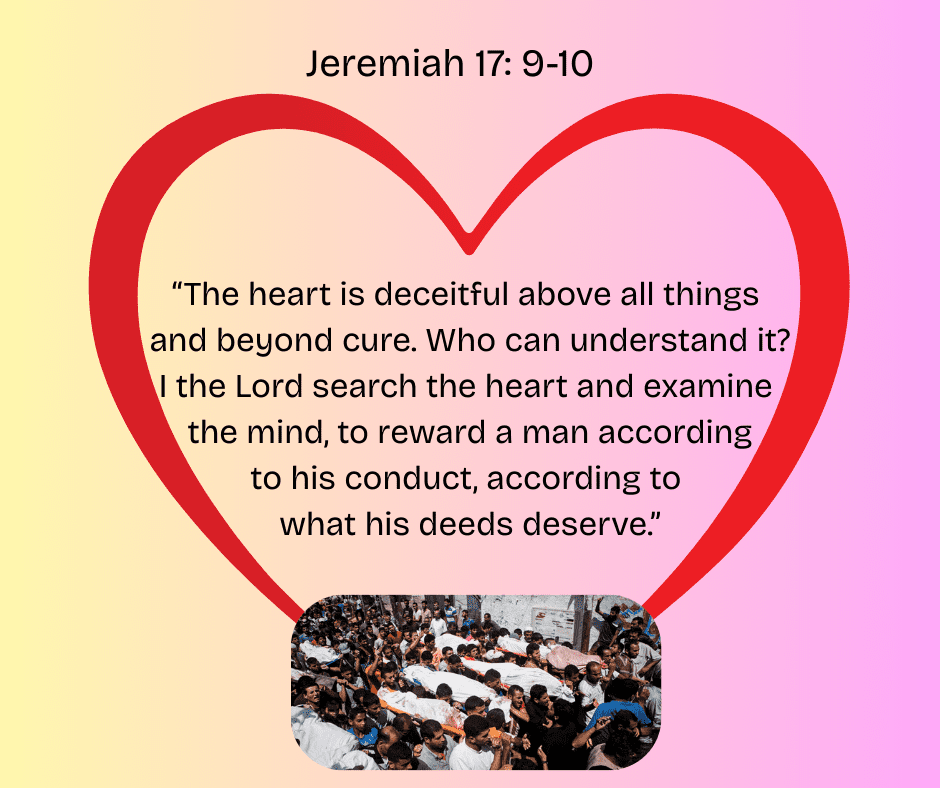
I suspect many Americans who are against the war in the Middle East started by Israel and the United States against Iran will find the information below painfully similar to the division in the United States since Donald Trump’s first term in 2016.
Pharisee: a member of an ancient Jewish group or sect distinguished by strict observance of the traditional law.
Sadducee: a member of an ancient Jewish group or sect that denied the resurrection of the dead, the existence of spirits, and the obligation of oral tradition, emphasizing acceptance of the written Law alone.
Essenes: a member of an ancient Jewish group or sect of the period from the 2nd Century BC to the 2nd Century AD who lived in highly organized groups and held property in common, widely known as the authors of the Dead Sea Scrolls. It emphasized God-centered enlightenment and spiritual warrior activism.
Apocalyptic Prophets: a person who is rooted in the belief that certain individuals are divinely inspired to convey messages about the end times.
Zealot: a person who is fanatical and uncompromising in pursuit of their religious, political, or other ideals.
Revolutionary: They are the peacemakers, also known as the “rebels” of the world. As history shows, the peacemakers seem to be the biggest threat to those in power and are often assassinated, jailed, or put to death.
After reading the brief descriptions of the political and religious groups in Galilee, what modern-day political and religious groups in the United States come to mind? If you have any thoughts, I would love to hear them. Please share them with me by completing the comment section at the end of this post.
Yeshua Meets John The Baptizer
Jesus worked with his father, Joseph, who was a builder, stone mason, and carpenter. They traveled to towns where they could find work, and Yeshua learned about the realities of urban life. He lived the life of a rural craftsman, ordinary, hard-working, and poor.
One day, Yeshua encountered a charismatic prophet of God in the wilderness. Perhaps you have heard of him, John the Baptist.
John the Baptist preached repentance, moral renewal, and the imminent judgment of God. John baptized people in the Jordan River as a symbolic cleansing before the coming spiritual reckoning.
Jesus decided to travel from Galilee to join John and was baptized by him. Soon after his baptism, John was arrested and executed by Herod Antipas. King Herod is widely known for his role in the executions of John the Baptist and Jesus.

After the loss of their teacher, some of John the Baptist’s followers turned to Jesus. Yeshua stepped out of obscurity and into history forevermore.
The Ministry Of Jesus
He traveled from village to village sharing the message that “the kingdom of God is near.” He taught through parables, which are simple stories that teach a deeper moral or spiritual lesson.
The teachings of Jesus were about more than just morals and vices. They were a direct critique of Roman imperial domination, kingship, aristocracy, and local patronage systems that kept the poor dependent on the rich.
He spoke about debt, land, poverty, honor, empathy, love, and injustice. Jesus clashed with the local elites and interpreters on issues of purity, law, and compassion.
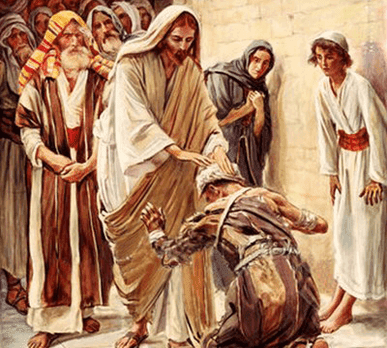
When Jesus spoke about “blessed are the poor” or “the last becoming the first,” it was a declaration that God favors the oppressed over the wealthy and powerful. He was challenging the entire honor-based social system.
When he shared meals with the down and out, the homeless, and outcasts, he broke the boundaries established by the Temple that the elite believed in and relied on.
Jesus developed a reputation as a healer of the sick and an exorcist (a person who is believed to be able to cast out demons), and performed symbolic acts to restore the socially excluded to their communities. Sickness meant impurity and isolation at that time.
Yeshua’s teachings and messages were nonviolent and a form of spiritual resistance. Crowds gathered and grew bigger. Tensions rose, and he made a decision that would seal his fate.
He gathered a close group of followers, laborers, women of means, and appointed 12 as symbolic leaders of a renewed Israel.
When Jesus returned to Galilee, his messages about God sounded political to 1st-century Jews. To them, the words meant “God, not Rome, is about to rule. Justice will come. The world will be overturned.”
Passover And Temple Leadership
Jesus was a revolutionary because his teachings about God and his actions challenged the social, political, and religious norms of his time.
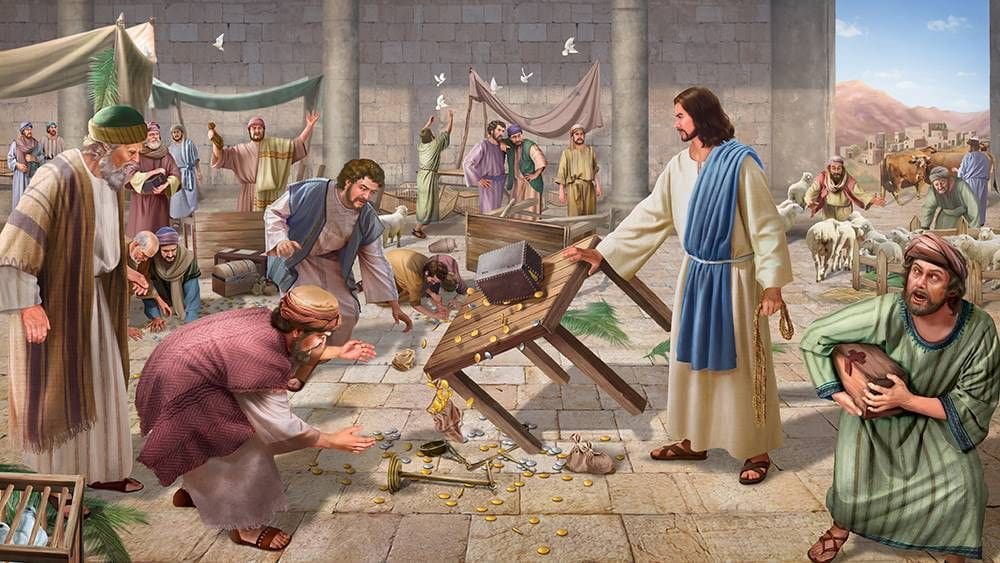
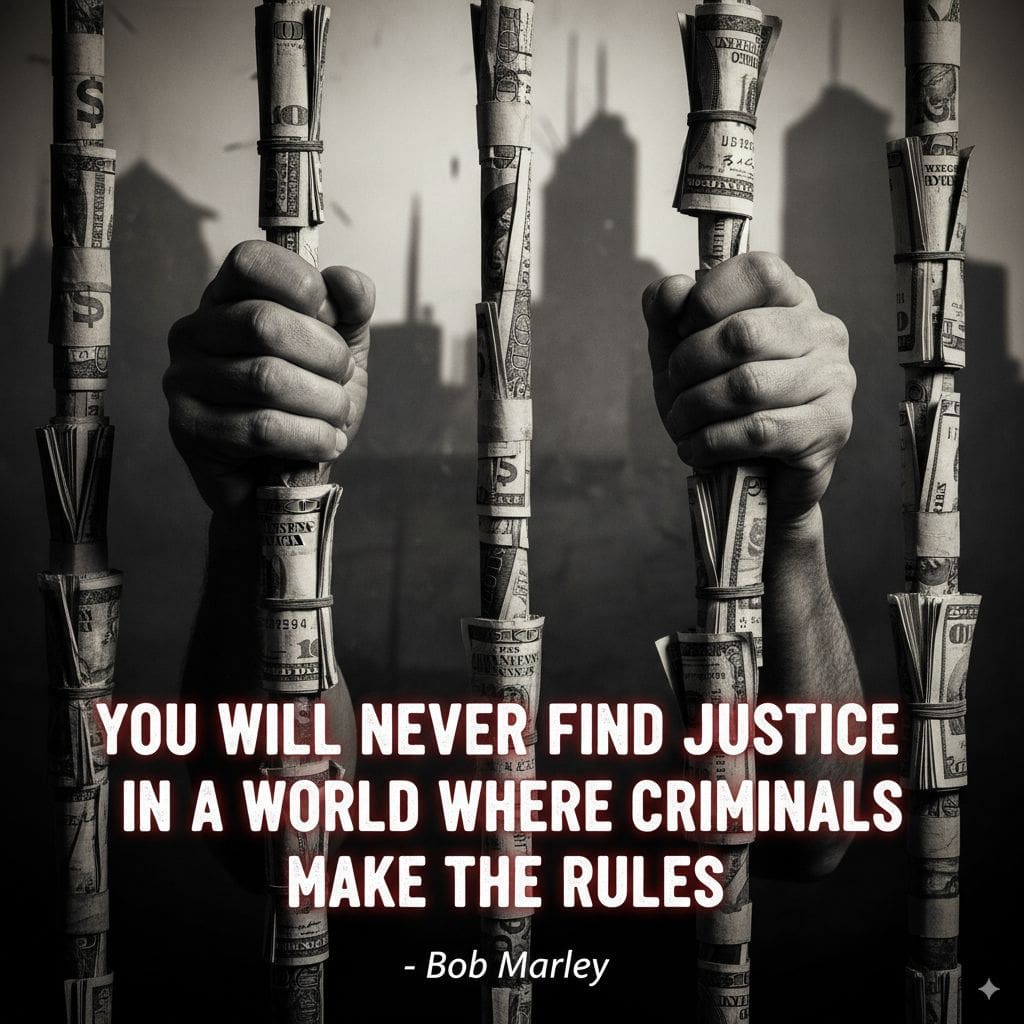
Jesus entered Jerusalem. Passover was the most politically charged time of the year. He staged dramatic and symbolic acts in the Temple by disrupting the marketplaces and the money changers. Those were the economic hubs of the priestly system.
High Priest Caiaphas
Caiaphas was the Temple leadership and moved swiftly during the night to quietly arrest Jesus to avoid a public disturbance. Then Jesus was transferred to Pontius Pilate in Rome.
Pontius Pilate
Pilate was not a king or an independent ruler. He was cruel and self-serving and willing to use brutal force to silence anything that would cause political unrest.
He was an administrator whose job was to maintain control and order, collect taxes, suppress revolt, and ensure that the money collected from taxes and unwavering loyalty continued to support Rome.
The only thing Pilate saw when Jesus was brought before him was political trouble, not the healer, peacemaker, and spiritual leader the world desperately needed.
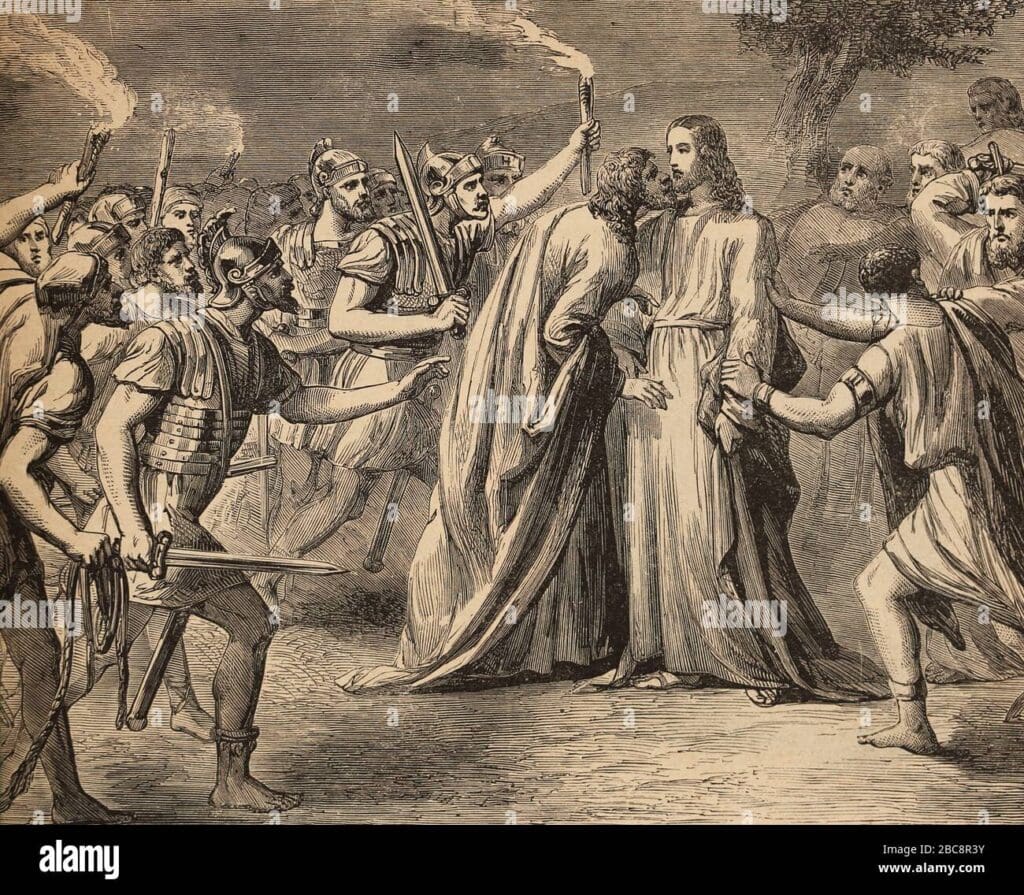
The Arrest Of Yeshua ben Yosef (Jesus)
For Rome, a captivating prophet disrupting Passover was a danger to Temple leadership and social order.
Crucifixion was Rome’s most public and degrading form of punishment. It was a warning to all what would happen to you if you spoke of love for one another and truth instead of loyalty to imperial power.
The charge against Jesus was posted on his cross: “Jesus of Nazareth, King of the Jews”. The craftsman, healer, charismatic prophet, peacemaker, son of God, and teacher of God’s kingdom was executed as an insurgent (revolutionary/rebel).
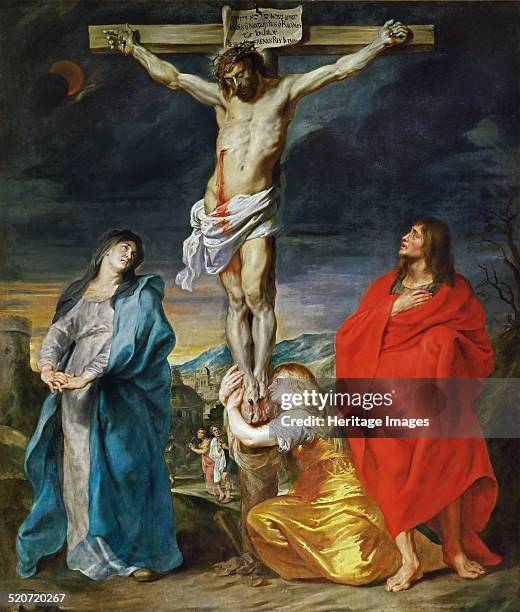
The group of followers stayed together in Jerusalem with leaders such as James (Jesus’ brother) and Peter.
The execution of Jesus, however, only strengthened the movement of love, forgiveness, empathy, and compassion for one another that Jesus was found guilty of.
Within days and weeks, people reported encounters with the Real One.
God had liberated the man and his precious son Rome had killed. Jesus became the center of a trans-ethnic movement and beloved global inspiration. He lives on as the hope for a world made new by choosing love over hate, truth over lies, and mercy over money.
Guest Author Geri S.
Geri is also a talented writer. She created this Haiku about Jesus.
Haiku is a type of short-form poetry that originated in Japan. It consists of three lines with a specific syllabic structure. Haiku often evokes emotional responses and typically do not rhyme.
“Once upon a time
A man gave his life for all
Have we been grateful?
Jesus, who was he?
The potential we all have
He made come alive.
Ten fingers, ten toes
The same as everyone else.
He did well with them.” ©️2022 Geri S. All Rights Reserved.
I am extremely grateful to Geri and J.D. for their heartfelt writing about one of my favorite teachers and spiritual leaders. 💞I was struck by their words they chose to honor the life of Jesus, and how incredibly relevant their insights remain and will live on to help others.
I am in awe of the enduring power of the teachings of Jesus.
And just one final thought about the actions Jesus took towards the money changers:
Resources
New International Version of the Bible
Unity https://www.unity.org
Marilyn K Fuller ⛪I was taught about Jesus in a Bible-based Southern Baptist church until I turned 18. Since the Baptists, I have pursued a spiritual path. After checking out many different churches and belief systems over the years, I finally found my spiritual home and became a member of the Unity Spiritual Center in 2025.
One of my earliest posts is The Baptists. It is a fun one, and if you would like to check it out, here is the link https://marilynkfuller.com/the-baptists/
Dr. Neil Hamson, Critical Theologian and Historical Researcher, YouTube Channel
Wikipedia https://en.wikipedia.org
Tough Cookie Tip: Love one another seems like such a simple thing to ask. Then why do people still continue to put their faith in leaders and false prophets who don’t care about them, their children, or their families?
War never solves problems or unites divided groups of people. No one wins. Only love, forgiveness, empathy, and the truth have that kind of power. The truth is that the people of the world are connected as one through our humanity and love for our children, families, and homelands.
You know what my wish for this blog post would be? I wish each person who has read this far would pause and pray for the world leaders to end all wars and restore peace and stability for all people.
I wish for prayers for all the children and adults who were killed or injured because of war, and their families.
I wish for prayers for peace in all our hearts and souls. Because loving one another is the answer Jesus taught us centuries ago. That is the struggle we, the world, have yet to win.
Copyright © 2022-2026 Marilyn K Fuller. All Rights Reserved.

Pretty in depth stories about Jesus. A lot of this I didn’t know about. Sunday school never held my attention. The scriptures were often not that clear to me. But I did enjoy reading your blog